
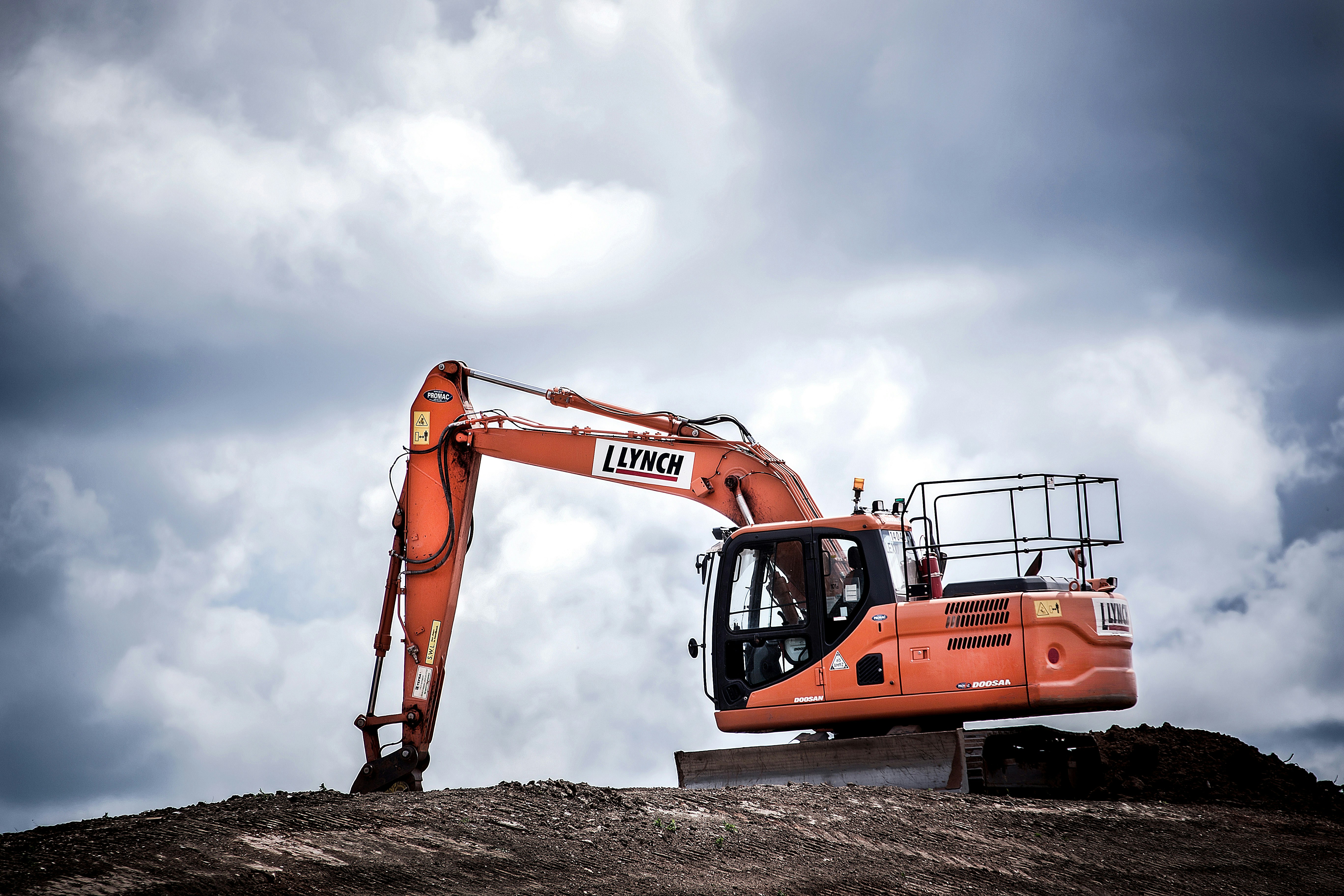
Developers who clear a site before conducting a Biodiversity Net Gain (BNG) baseline assessment face significant challenges and potential consequences. Site clearance can severely impact their ability to meet BNG requirements and may lead to increased costs and planning delays.
We have had several clients approach Wild Capital as they have inadvertently acquired land that has been cleared or cleared the land themselves before the baseline survey.
In one example, we were approached by a developer who acquired land that had been cleared by the previous landowner (a farmer) prior to the purchase. The purchaser went on to submit a planning application for storage. As part of the BNG and planning process, the ecologist and LPA have identified it as intentional destruction/pre-survey degradation and have applied precautionary habitat and condition measures in the absence of other data. The precautionary baseline could be correct, but it could also be up to 3x the baseline (in this instance) and, therefore, 3x the cost.
Retrospective baseline assessment
The UK government has established January 30, 2020, as the retrospective date for BNG baseline assessments. Any site clearance occurring after this date requires the baseline assessment to include retrospective habitat records data, such as satellite imagery. This means developers cannot simply clear a site and start with a “blank slate” for BNG calculations.
Increased scrutiny and potential penalties
Local planning authorities are likely to be vigilant in identifying schemes where the baseline data appears suspicious or inconsistent with known habitat distribution. Developers who clear sites before assessment may face:
- Increased scrutiny from planning authorities
- Potential delays in the planning process
- Higher costs to mitigate or compensate for lost biodiversity
Inaccurate baselines and BNG calculations
Clearing a site before an assessment can lead to inaccurate baselines and may require the LPA ecology team to take a cautious view of the habitats (quality and type) that were there previously. This, in turn, affects BNG calculations and may result in a precautionary overestimation of the site’s original biodiversity value. This may lead to difficulty in achieving the required 10% net gain and increased costs for off-site compensation or biodiversity credits.
Legal and reputational risks
Developers who intentionally clear sites to manipulate BNG assessments may face:
- Legal consequences for violating environmental regulations
- Damage to their reputation within the industry and local community
- Potential fines or penalties imposed by authorities
Missed opportunities for efficient design
Early ecological assessments allow developers to design projects that work around high-value habitats, potentially reducing costs and improving biodiversity outcomes. Clearing a site before assessment eliminates this opportunity, leading to less efficient and more expensive development plans.
If you are a developer who has accidentally acquired a cleared site or has cleared a site before an assessment, we can work with you to deliver cost-effective units of all habitat types either from our network of existing schemes or to order. Wild Capital specialises in creating custom offsets across all habitat types and locations, giving developers the flexibility to address their precise requirements.
We also hold the freehold of the land, so working directly with Wild Capital removes much of the complexity of agencies and middlemen, making your difficult situation as simple as it can be.